Flashing vs. Solid: The Critical Distinction
Solid check engine light: Something is wrong and needs attention, but it's not an active emergency. You can typically drive short distances to get it diagnosed, though you shouldn't ignore it for weeks.
Flashing/blinking check engine light: This indicates an active misfire severe enough to damage your catalytic converter — which can happen within minutes. Pull over when safe, avoid high RPMs, and get it diagnosed immediately. A flashing light is a "stop driving" situation.
Step 1: Check the Gas Cap
This sounds too simple, but a loose or cracked gas cap is one of the most common check engine light triggers. The fuel evaporative system (EVAP) monitors for vapor leaks, and a loose cap creates exactly that. Tighten it until you hear it click, then drive 50–100 miles. If the light was caused by the cap, it will clear on its own after several drive cycles.
If you're in San Antonio and just filled up at the pump and the light came on immediately after — the gas cap is almost certainly the culprit.
Need a Mobile Mechanic Today?
Same-day available in San Antonio. Brakes from $199.
Step 2: Note Any Drivability Symptoms
Before you call a mechanic, note what you're feeling: rough idle, hesitation on acceleration, reduced power, unusual smells, or anything else abnormal. These symptoms narrow down the possible causes significantly and help us diagnose faster on-site.
If the car drives completely normally — smooth idle, normal acceleration, no smells — the issue is likely emissions-related (EVAP, oxygen sensor, EGR) rather than a drivability or safety concern. You have time to schedule a diagnostic instead of treating it as an emergency.
Step 3: Get an OBD-II Scan
Auto parts stores (AutoZone, O'Reilly, Advance Auto) will read OBD-II codes for free — this tells you the fault code (e.g., P0420, P0171) but not necessarily the root cause. A code is a starting point for diagnosis, not a repair order. P0420 (catalyst efficiency) can mean a bad catalytic converter, or it can mean an oxygen sensor that's misreporting — a $400 difference in repair cost depending on the actual cause.
We charge a flat $95 diagnostic fee and use professional-grade diagnostic equipment to confirm the root cause before recommending any repair. If you proceed with us, that $95 comes off your repair total.
Most Common Causes in San Antonio
In San Antonio's heat and driving conditions, the most frequent check engine triggers we see are:
- EVAP system faults (P0440–P0457): Heat expands and contracts fuel vapor systems more aggressively in South Texas, stressing hoses and valves
- Oxygen sensor faults (P0130–P0167): Sensors degrade over time, more rapidly in high-heat environments
- MAF sensor faults (P0100–P0104): Dust from San Antonio construction areas and unpaved roads contaminates mass airflow sensors
- Catalytic converter efficiency (P0420/P0430): Often appears after high mileage combined with heat exposure
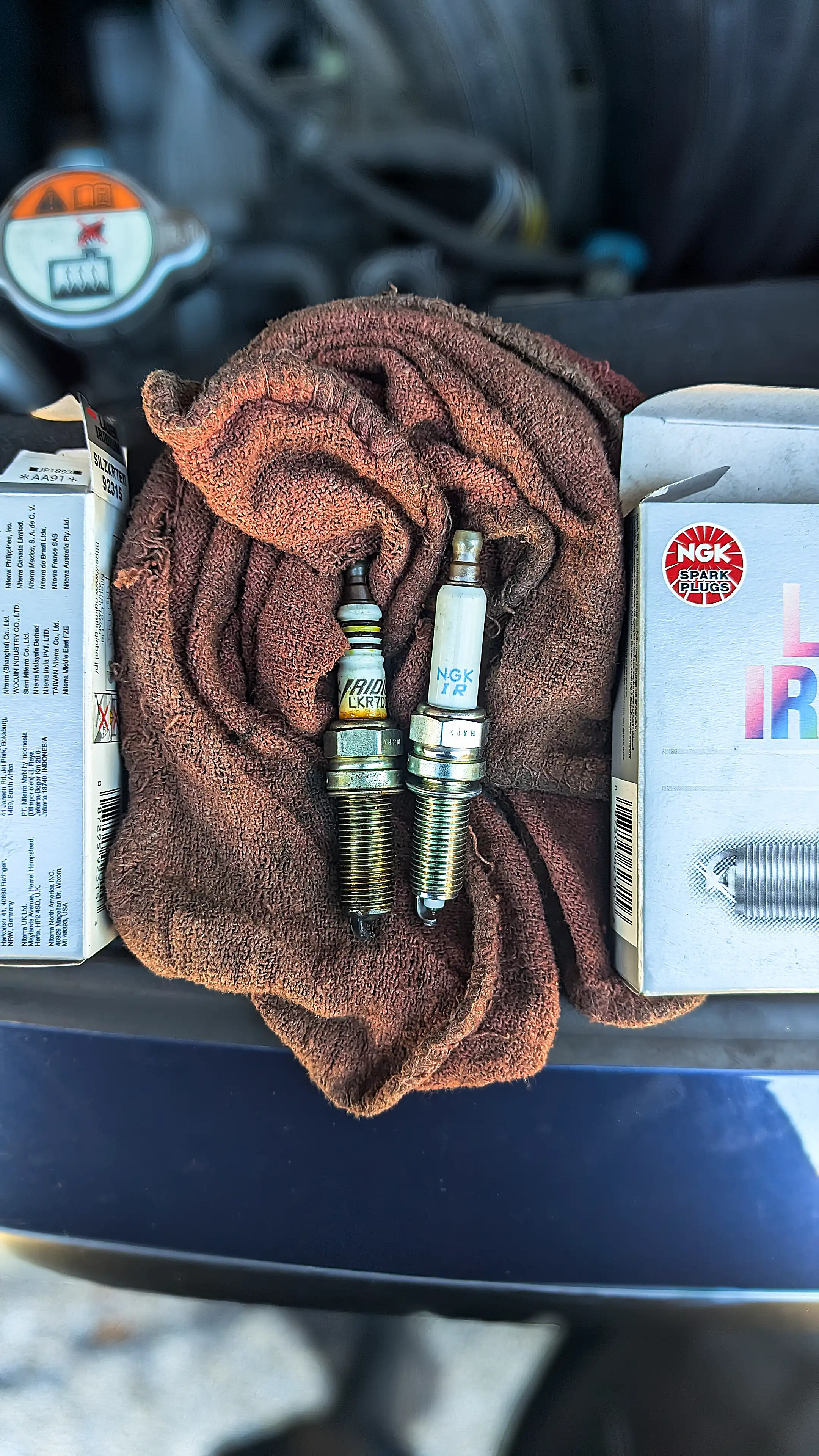
- Spark plug/ignition faults (P0300–P0312): Misfires from worn plugs, common after 60,000+ miles
About the Author
Danny Cisneros
Danny is the owner and lead technician at Lowered Standards. With 10+ years of hands-on automotive repair experience in San Antonio, he performs every job personally. All work is backed by a 12-month / 12,000-mile warranty on parts and labor.
(210) 570-9220