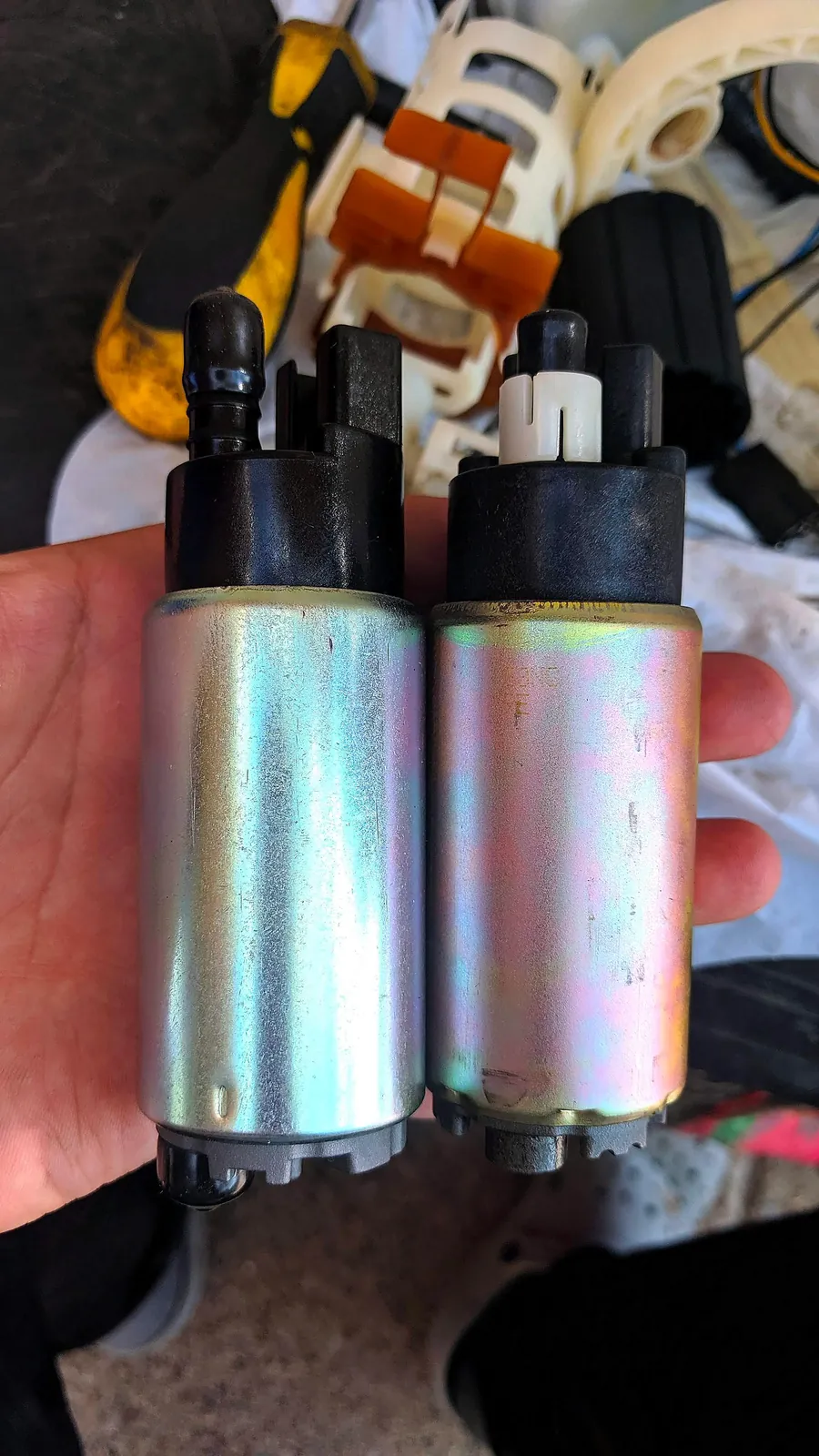
Fuel Pump Failure in San Antonio — What's Actually Happening
San Antonio drivers are harder on fuel pumps than most — long freeway commutes on IH-35 and 281 keep the engine at sustained load, and the habit of running the tank low (extremely common) accelerates pump wear. The fuel pump is submerged in the fuel tank; the fuel acts as coolant for the pump motor. Running on a quarter-tank or less regularly means the pump runs hotter, its motor insulation degrades faster, and it fails years earlier than it would otherwise. The most common symptom: the car starts fine cold but won't restart after sitting for 20 minutes in a hot parking lot (heat soak causes marginal pump winding insulation to fail).
Fuel Pressure Testing Before Any Parts Are Ordered
Fuel pump replacement is one of the most commonly misdiagnosed repairs in the industry. Danny tests fuel pressure at the rail before recommending a pump. Normal rail pressure varies by vehicle but typically runs 35–65 PSI at idle. Low static pressure (pump failing) looks different from low running pressure (regulator issue) or a pressure drop under load (failing pump check valve or clogged filter). He also performs a snap-throttle test — briefly revving the engine to maximum demand — to catch pumps that hold pressure at idle but drop off under load. You don't pay $349 for a pump if the problem is a $40 inline fuel filter.
In-Tank Fuel Pump Replacement — How It Works Without a Lift
Most modern vehicles have in-tank fuel pumps accessed through a service panel under the rear seat cushion or trunk floor. Danny removes the access cover, disconnects the fuel lines and electrical connector, and lifts the pump module straight out of the tank. On vehicles without a top-access panel, the tank must be lowered — he confirms which procedure your vehicle requires at booking and comes equipped accordingly. Fire precautions are taken: the fuel system is depressurized before disconnecting lines, and a fuel-safe catch pan is used to capture any residual fuel. Total time: 2–4 hours depending on access.
Fuel Pump Replacement Pricing in San Antonio
Mobile fuel pump replacement starts at $349 — pump module and installation. Most vehicles use a complete pump module (pump, sending unit, and strainer together) rather than just a pump cartridge — we confirm the correct assembly for your vehicle before the appointment. Inline fuel filters (where applicable) are recommended at the same visit for $40–$60. A shop typically charges $450–$600 for the same repair. A dealer quotes $700–$1,100 depending on vehicle.
Vehicles We Service for Fuel Pump Replacement in San Antonio
Ford F-150 and Expedition (in-tank access panel), Chevy Silverado and Tahoe (pump module), Toyota Camry and RAV4 (rear seat access), Honda Accord and CR-V, Nissan Altima and Frontier, Jeep Grand Cherokee and Wrangler, RAM 1500 and 2500, Hyundai Sonata and Santa Fe, and all domestic and import vehicles 1996 and newer. We verify access method for your specific vehicle at booking.